




Every procedure at Hair Transplant Edinburgh is carried out by a doctor on the GMC register
Our Edinburgh clinic is in the heart of the city, easy to reach by tram, bus, or train
An honest assessment of your donor supply and realistic outcome, no sales pressure, no obligation to proceed
We limit patient numbers so your surgeon gives your case the full attention it deserves
A hairline transplant restores the front zone of the scalp: the temporal points, the frontal hairline, and the transition between bare forehead and hair-bearing scalp. It is one of the most visible and defining outcomes in hair restoration surgery, and it is also one of the most technically demanding to execute well.
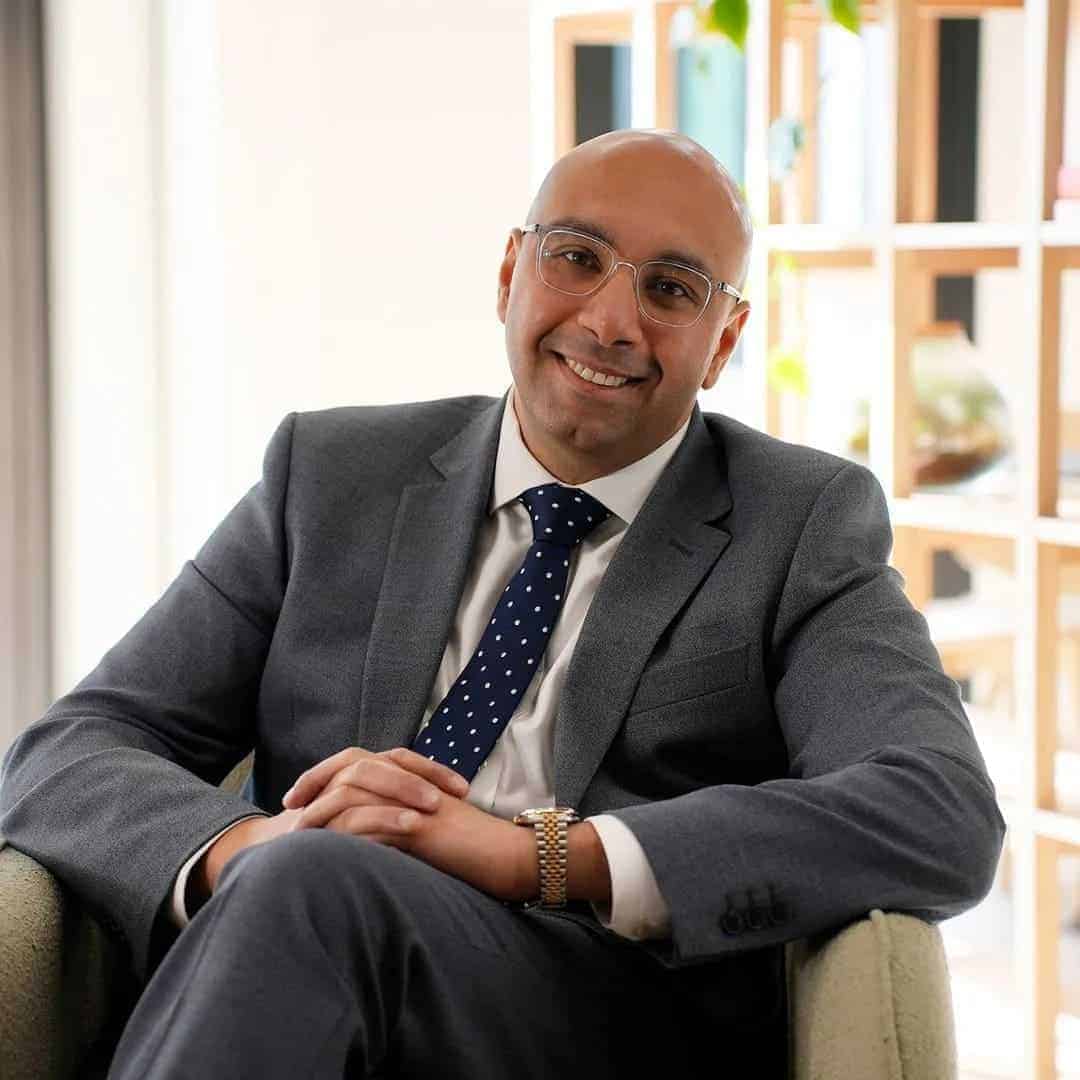
At Hair Transplant Edinburgh, hairline transplants are performed by Dr Aziz Elgindi and Dr Mohammed Ditta using FUE (follicular unit extraction). The design of the hairline is agreed with you before any extractions begin, and each graft is placed individually at precise angles to create a natural, graduated front edge that frames the face without looking drawn-on or artificial.
Hairline Transplant in Edinburgh
The frontal hairline is not a straight line. A natural hairline has an irregular, slightly ragged edge with fine single-hair follicular units at the very front softening the transition, and progressively denser multi-hair units sitting behind them. When that edge is lost to male pattern baldness, traction alopecia, or surgical scarring, restoring it requires a surgeon who understands this graduated structure and can replicate it graft by graft.
At our Edinburgh clinic, the design process starts with you upright, in a consultation chair. Dr Elgindi or Dr Ditta draws the proposed hairline on your face with a marker and reviews it with you before a single graft is extracted. The position is mapped against your brow landmarks and facial proportions. You approve the design before the procedure begins.
The grafts used at the hairline edge are exclusively single-hair follicular units, sourced from the fine-diameter zones of the donor area. This soft front zone is then backed by two- and three-hair grafts placed progressively further into the scalp, creating the density gradient that makes the result look natural as you pull the hair back or have it cut short.
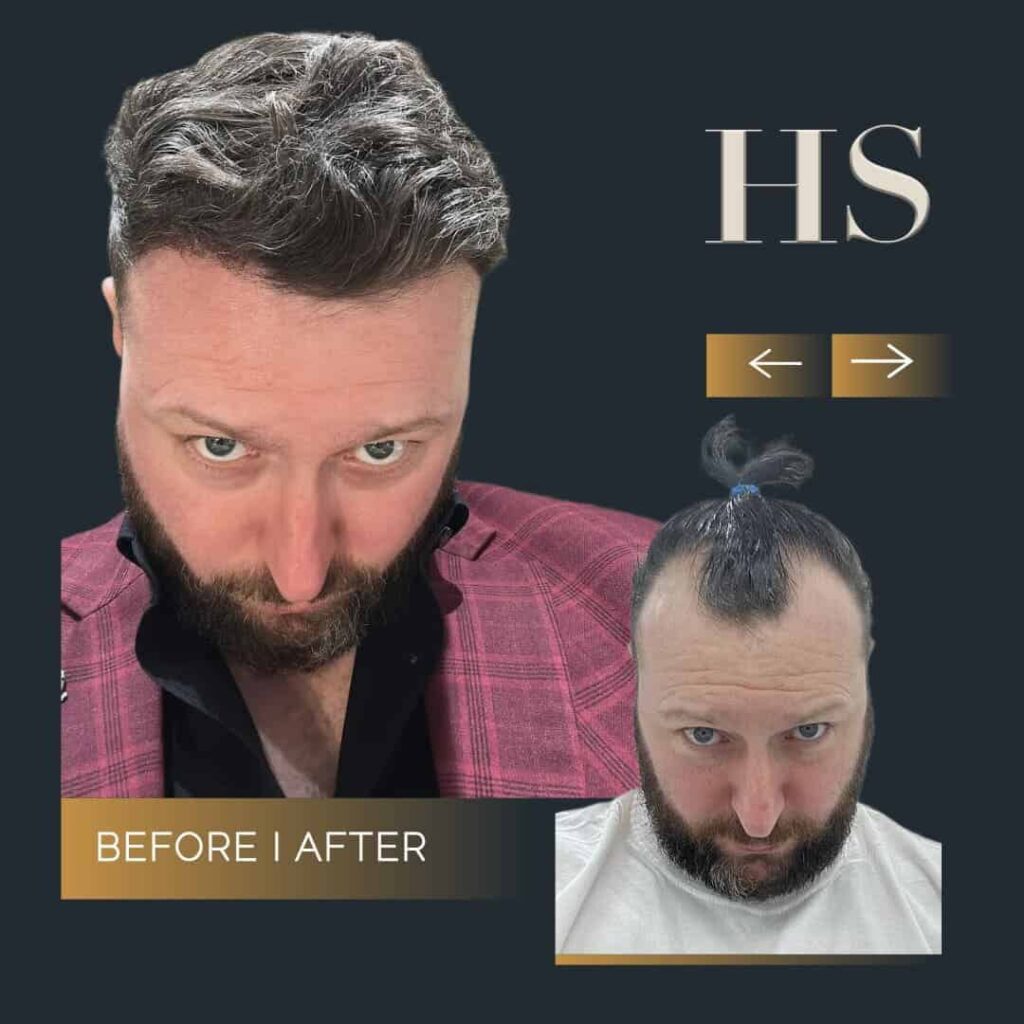
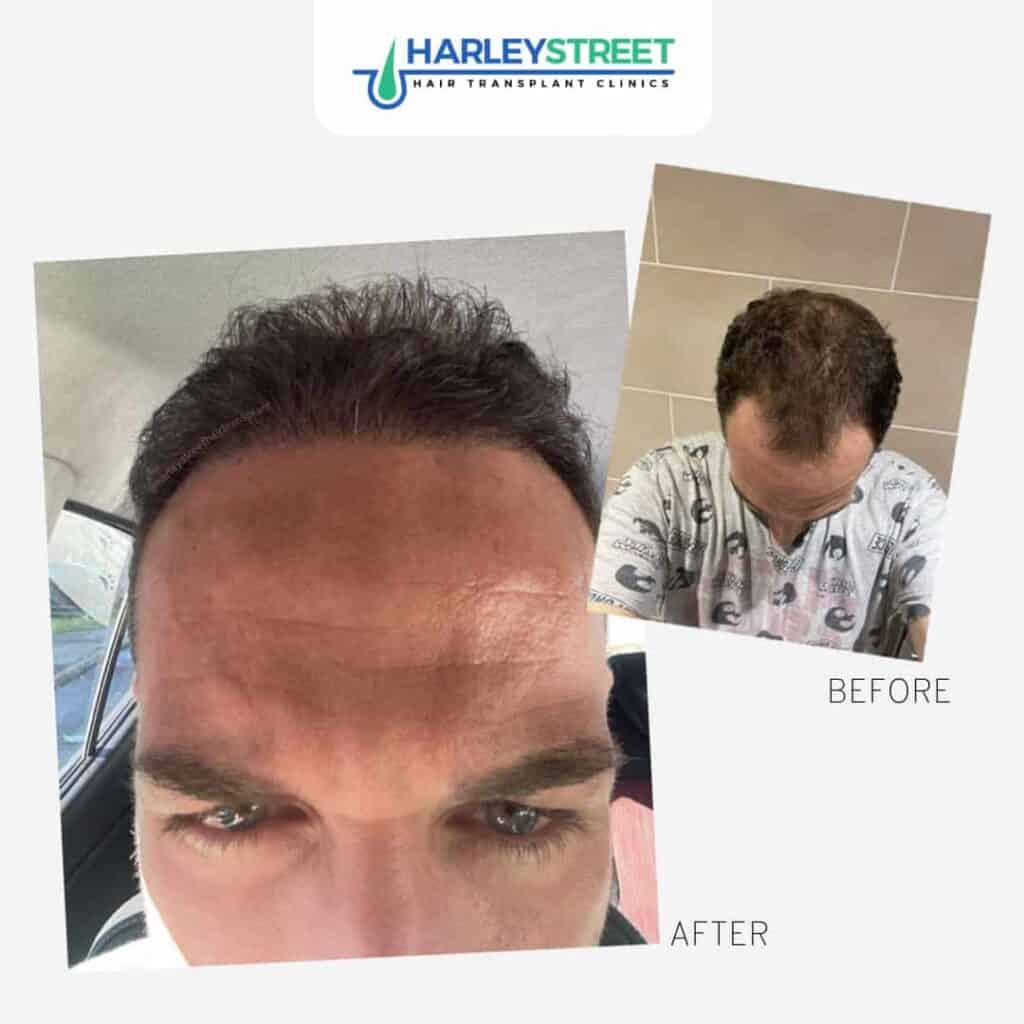
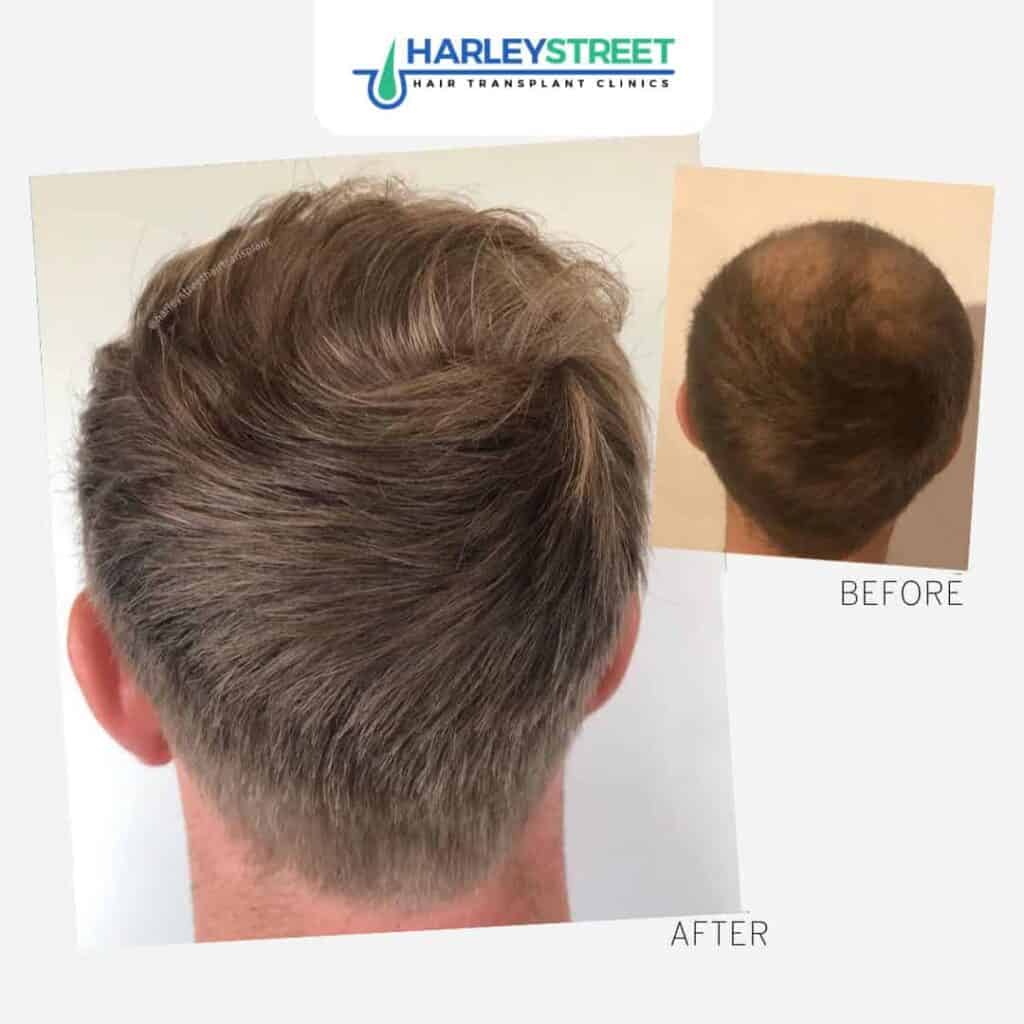
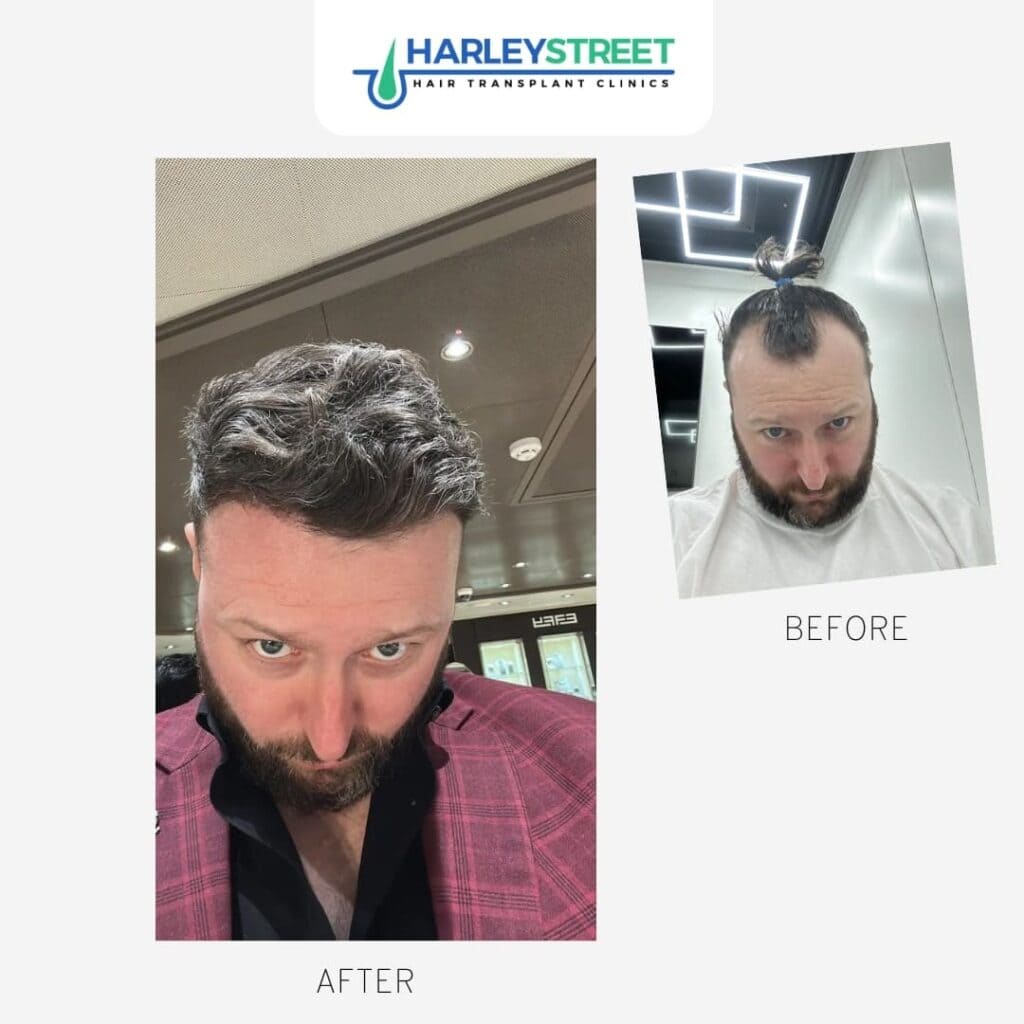
Before and After Hairline Transplant Results in Edinburgh
A selection of results from patients treated at our Edinburgh clinic. Every procedure shown was performed by our GMC-registered surgeons. View the full gallery.
Who Is a Hairline Transplant For?
Hairline transplants address several distinct scenarios. The approach and graft count differ in each case, but the underlying technique is the same.
Early male pattern baldness (Norwood 2 to 3)
Men in the early stages of recession, particularly those who have lost their temporal points or seen the hairline lift at the frontotemporal angle, are common candidates. At this stage, a targeted hairline transplant can address the recession without needing to cover a large area, and donor usage is proportional.
Moderate recession (Norwood 3 to 4)
Where the hairline has receded significantly across the front, a larger graft count is needed to rebuild both the hairline position and the density of the frontal zone behind it. Candidates at this stage are assessed on their long-term donor supply, because the crown may also require treatment as the condition progresses.
Hairline lowering
Some patients, including women with naturally high hairlines, request a transplant not to address baldness but to lower the hairline and reduce forehead height. This is a legitimate and increasingly common procedure. Graft counts are typically in the 1,500 to 2,500 range for a full-width lowering of one to two centimetres.
Traction alopecia at the temples
Women, and sometimes men, who have experienced years of tight hairstyles lose the frontal hairline and temple regions to traction alopecia. Once the tension is removed and loss has stabilised, surgical restoration of the affected hairline is highly effective because the cause has been removed and the underlying scalp is healthy.
Corrective and revision work
Patients who have had poorly designed or artificial-looking hairlines from previous procedures, whether in Edinburgh, elsewhere in Scotland, or abroad, can have corrective work to refine the line, add softening grafts at the edge, or remove obvious plugs from older techniques. This is assessed on a case-by-case basis.
Hairline Design: Getting It Right
The position and shape of a transplanted hairline must account for two realities: how you look now, and how you will look in twenty years. A hairline placed too low on a man with progressive androgenetic alopecia creates an island of restored hair surrounded by future recession. A surgeon who does not account for the likely progression of your condition is not serving your long-term interests.
Dr Elgindi and Dr Ditta use a structured approach to hairline design that considers:
- The natural hairline position relative to your facial proportions (the upper third of the face)
- Your age and the expected long-term progression of hair loss based on family history and current pattern
- Your donor reserve and how grafts should be allocated between hairline, mid-scalp, and crown
- The degree of irregularity at the edge, including the presence and position of temporal points
A hairline that looks appropriate at 30 must also look appropriate at 50. The design must be conservative enough to remain convincing as the surrounding hair ages, while providing the coverage and density that makes a meaningful difference now.
If you are also considering coverage of the crown, our crown hair transplant Edinburgh covers how the two procedures relate and how donor allocation is managed when both areas need treatment. For the full technical breakdown of how grafts are extracted, see our FUE hair transplant Edinburgh.
How Many Grafts for a Hairline Transplant?
Graft counts for hairline transplants vary based on the area being addressed and the degree of recession.
- Temple points only: 300 to 600 grafts. Targeted restoration of the temporal recessions without addressing the central hairline.
- Hairline and frontotemporal zone: 1,000 to 2,000 grafts. Covers the central hairline and the angled recession at the corners.
- Full frontal zone plus mid-scalp: 2,000 to 3,500 grafts. For patients with more advanced recession who want to restore both the hairline position and the density of the front third of the scalp.
- Hairline lowering (without baldness): 1,500 to 2,500 grafts depending on forehead width and the distance to be covered.
Your surgeon will map the exact recipient area and give you a precise graft count at consultation. For a detailed look at how pricing is structured and what affects the final cost, see our hair transplant cost Edinburgh.
Recovery After a Hairline Transplant
Because the hairline transplant recipient zone is on the most visible part of the scalp, recovery visibility is something many patients ask about before booking.
In the first week, the transplanted area has small crusts or scabs around each graft, and there will be some redness and minor swelling of the forehead. This swelling sometimes drifts towards the eyes by day two or three, which is normal and resolves within the week.
By week two, the scabs have shed and the area looks cleaner, though the transplanted hairs will also begin to shed over the following few weeks. This is called shock loss or the shedding phase. It is a normal part of the process.
From month three or four onwards, new growth appears. By month six most patients have visible, meaningful coverage. The final result is assessed at 12 months, when growth is complete and the hair has settled into its natural pattern. For a detailed month-by-month breakdown, see our hair transplant recovery guide.
If you also have hair loss caused by female-pattern thinning or have questions about medical management alongside a hairline transplant, our hair transplant for women Edinburgh covers the additional considerations.
Make the best investment in yourself and find out more about how we can help eliminate hair loss for good!
Where to Find Us
Hair Transplant Edinburgh is centrally located and easily accessible from across the Lothians and beyond. Find us at our Edinburgh clinic:
Hair Transplant Edinburgh
93 George Street
Edinburgh
EH2 3ES
Our Edinburgh clinic is well connected by public transport:
- Tram: West End Princes Street stop (5 minute walk)
- Train: Edinburgh Waverley and Haymarket stations (both within 15 minutes on foot)
- Bus: Multiple Lothian Buses routes along Princes Street and Queensferry Street
If you are travelling by car, the clinic is a short drive from the city centre with several pay and display car parks nearby in the West End area.
FAQs
A hairline transplant is a day procedure performed under local anaesthetic. The duration depends on the number of grafts. A smaller hairline procedure of 1,000 to 1,500 grafts typically takes four to five hours from start to finish. A larger frontal zone procedure covering 2,500 or more grafts can take six to eight hours. You are awake throughout and comfortable once the anaesthetic is in.
Yes, when designed and executed correctly. Natural hairlines are irregular, not straight lines. The surgeon places single-hair follicular units at the very front edge at acute angles to create a soft, broken fringe, with progressively denser grafts behind them. The result, at 12 months, is indistinguishable from a naturally occurring hairline under normal and close inspection.
This requires careful planning. If hair loss is still active, transplanting a new hairline into a scalp that will continue to thin behind it can lead to an isolated front that looks unnatural over time. The surgeon will assess the likely progression of your hair loss and factor in how grafts should be distributed to remain convincing as the condition advances. Medical treatment to stabilise ongoing loss may be recommended alongside or before surgery.
Yes. Hairline transplants for women typically address traction alopecia at the temples and frontal hairline, or hairline lowering for naturally high foreheads. The technique is the same as for men, but the design priorities differ. Female hairlines are generally more curved and full at the temples, and the surgeon adapts the design accordingly. See our dedicated page on hair loss in women for more on female candidacy.
A hairline transplant specifically addresses the front zone of the scalp: the hairline position and the frontotemporal angles. A full hair transplant covers a larger recipient area, often including the mid-scalp and crown as well as the hairline. Many patients start with a hairline procedure and plan further coverage in stages, allowing donor hair to be used efficiently over time.
Cost depends on the number of grafts required. All pricing is discussed at your free consultation once the surgeon has assessed your hairline and confirmed the graft count. Our hair transplant cost page provides a full pricing overview. Finance options are available for patients who prefer to spread the cost.
Patient Testimonials
Aside from achieving fantastic results, we believe that keeping in touch with our patients before, during and after their hair transplantation procedure is paramount – it helps to keep our patients feeling calm and in control. We’re always on hand to provide guidance, support and aftercare advice. Time and again, our patients tell us that this is what sets us apart from other clinics.
You can read our great reviews of FUE hair transplants over on Google and Trustpilot